Elderly Home Singapore: Providing Compassionate Care for Our Seniors
As Singapore’s population continues to age rapidly, the demand for quality senior care is more important than ever. Families are increasingly exploring professional care options that offer both safety and comfort for their elderly loved ones. An Elderly Home Singapore provides a secure and nurturing environment tailored to the physical, emotional, and medical needs of the elderly, making it a vital resource for families seeking peace of mind and high-quality care.
The Growing Need for Elderly Homes in Singapore
Singapore is among the most rapidly aging countries in Asia. According to government statistics, by 2030, one in four Singaporeans will be aged 65 or older. With increasing life expectancy and smaller family units, many families find it challenging to provide round-the-clock care at home for their elderly members. This shift has led to a greater reliance on elderly homes, which offer professional nursing care, social interaction, and a structured lifestyle that can greatly enhance the quality of life for seniors.
An Elderly Home Singapore is not just a place for medical support — it’s a community designed to help seniors live with dignity and respect. Whether recovering from surgery, managing chronic illness, or requiring palliative care, elderly homes provide services that are often beyond what families can offer at home.
What to Expect from a Quality Elderly Home
The best elderly homes in Singapore focus on a holistic approach to elder care. This includes medical supervision, physical therapy, emotional support, and recreational activities. Here are some features commonly found in a reputable elderly home:
1. Professional Nursing and Medical Care
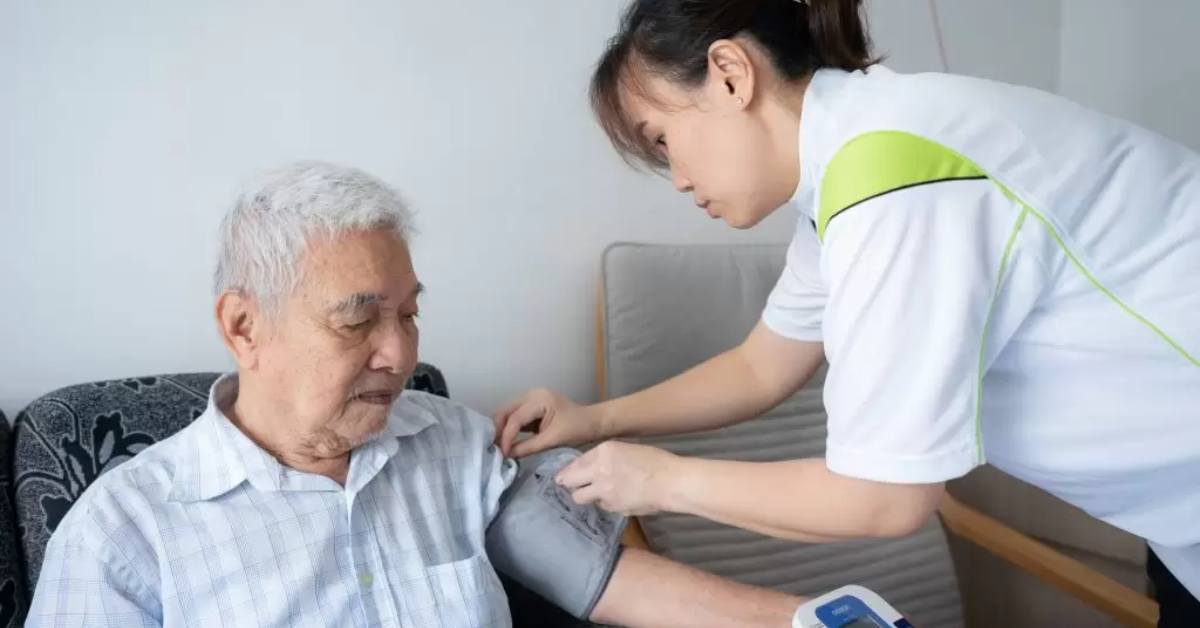
Trained nurses and healthcare professionals are available around the clock to monitor residents’ health, manage medications, and respond to emergencies. This ensures that residents receive the care they need in a timely and effective manner.
2. Assisted Daily Living
Many elderly individuals require help with daily tasks such as bathing, dressing, eating, or mobility. Elderly homes provide this essential support while preserving each resident’s independence and dignity.
3. Social and Recreational Activities
Isolation can be a major concern for seniors. Elderly homes often organize group activities such as music therapy, games, group exercises, and cultural celebrations to keep residents engaged and mentally active.
4. Nutritious Meals
Diet plays a crucial role in elderly health. Elderly homes typically have in-house dieticians or chefs who prepare meals according to the residents’ dietary needs, including low-sugar, low-sodium, or high-fiber diets.
5. Clean, Safe, and Comfortable Living Spaces
The physical environment of an elderly home should be clean, well-maintained, and designed with safety in mind—think wheelchair-accessible layouts, handrails, non-slip flooring, and emergency alert systems.
Choosing the Right Elderly Home in Singapore
Selecting the right Elderly Home Singapore can be a daunting task, especially with so many options available. Here are some key factors to consider:
Location
Consider the proximity of the elderly home to your family’s residence. A location closer to home makes visits more frequent and convenient, which can boost the morale of your loved one.
Services Offered
Some elderly homes specialize in dementia care, stroke rehabilitation, or hospice services. Ensure the home you choose matches the specific needs of your loved one.
Staff Qualifications and Ratio
Ask about the staff-to-resident ratio and the qualifications of the caregivers. A lower ratio means more personalized attention and better overall care.
Reviews and Accreditation
Look for homes that are accredited by the Agency for Integrated Care (AIC) or have received positive reviews from other families. Site visits and trial stays are also excellent ways to evaluate a facility.
Benefits of Elderly Homes for Seniors and Families
For seniors, living in a professional care environment can significantly improve their quality of life. They receive proper nutrition, engage in regular activities, and benefit from social interactions that combat loneliness and depression. The structured routine can also help maintain cognitive function and physical health.
Families also gain peace of mind knowing that their loved ones are in capable hands. This allows caregivers to focus on work, children, or other responsibilities without the constant stress of providing 24/7 care. Additionally, having trained professionals handle medical needs reduces the risk of complications and hospital visits.
Cultural Considerations in Singapore’s Elderly Homes
In a multicultural society like Singapore, it’s essential for elderly homes to be sensitive to the cultural and religious preferences of their residents. From food choices to holiday celebrations and language preferences, a culturally aware elderly home helps residents feel more at home and respected.
Many elderly homes in Singapore cater specifically to Chinese, Malay, Indian, or Eurasian communities. Staff are often trained to understand the customs and languages of their residents, which helps to foster a deeper sense of comfort and belonging.
Transitioning to an Elderly Home: How to Make It Easier
Moving into an elderly home can be a significant life change, especially for seniors who are used to living independently. Open communication and gradual transition plans can ease the process.
Start by involving the elderly person in the decision-making process. Visit several homes together and encourage them to share their preferences. Once a home is selected, consider a short trial stay before making the move permanent. Personal items such as photos, blankets, and mementos can help make the new space feel more familiar.
Future Trends for Elderly Homes in Singapore
With the government’s continued focus on eldercare, Singapore is investing in more senior-friendly infrastructure and support services. The integration of technology — such as telemedicine, smart monitoring systems, and AI-driven health assessments — is also expected to transform how elderly homes operate.
Furthermore, there’s a growing emphasis on aging in place, with some elderly homes offering transitional care or respite services for families who are caring for seniors at home but need occasional professional support.
These developments ensure that an Elderly Home Singapore will not only continue to meet the rising demand for eldercare but also raise the standards of comfort, compassion, and medical excellence.
Conclusion
Choosing the right Elderly Home Singapore is a crucial decision that can significantly impact the well-being of your loved one. These homes offer much more than just a place to stay—they provide expert medical care, emotional support, and a vibrant community tailored to seniors’ unique needs.
As the elderly population in Singapore continues to grow, the role of elderly homes will become even more central to our healthcare ecosystem. By understanding what to look for and prioritizing compassion and professionalism, families can ensure that their aging loved ones receive the care and dignity they deserve.